
Criminal Court Cases in Spalding County
Spalding County divides criminal work by jurisdiction. Superior Court, part of the Griffin Judicial Circuit, hears felony prosecutions. State Court hears misdemeanors, DUI cases, and county traffic matters from agencies such as the Sheriff and Georgia State Patrol. Magistrate Court issues many warrants and conducts first appearances or other preliminary work. Griffin Municipal Court handles city traffic, ordinance, environmental, and other matters within its authority.
The court named on a citation, warrant, bond paper, or prior docket entry is the safest routing clue. A municipal matter may transfer if it exceeds that court's final authority. Likewise, an arrest made by Griffin Police does not prove the case stayed in city court. The prosecutor's charging choice controls the next file. Searchers should avoid treating the arresting agency as the court name.
Spalding County Court Routing
The county court directory is the official starting point when the court is unclear. It links the county courts and related offices. The Clerk of State and Superior Court keeps the main felony and misdemeanor case files at 132 East Solomon Street in Griffin. The office is open Monday through Friday, 8:00 a.m. to 5:00 p.m., and its main number is 770-467-4309.
| Court | Typical criminal work | Contact |
|---|---|---|
| Superior Court | Felonies, indictments, pleas, trials, sentences | 770-467-4309 |
| State Court | Misdemeanors, DUI, county traffic | 770-467-4474 |
| Magistrate Court | Warrants and preliminary matters | Use county court directory |
| Griffin Municipal Court | City citations and ordinances | 770-233-4124 |
The official State Court page shows the county's online-record route. That source helps distinguish the county docket from a city citation file.
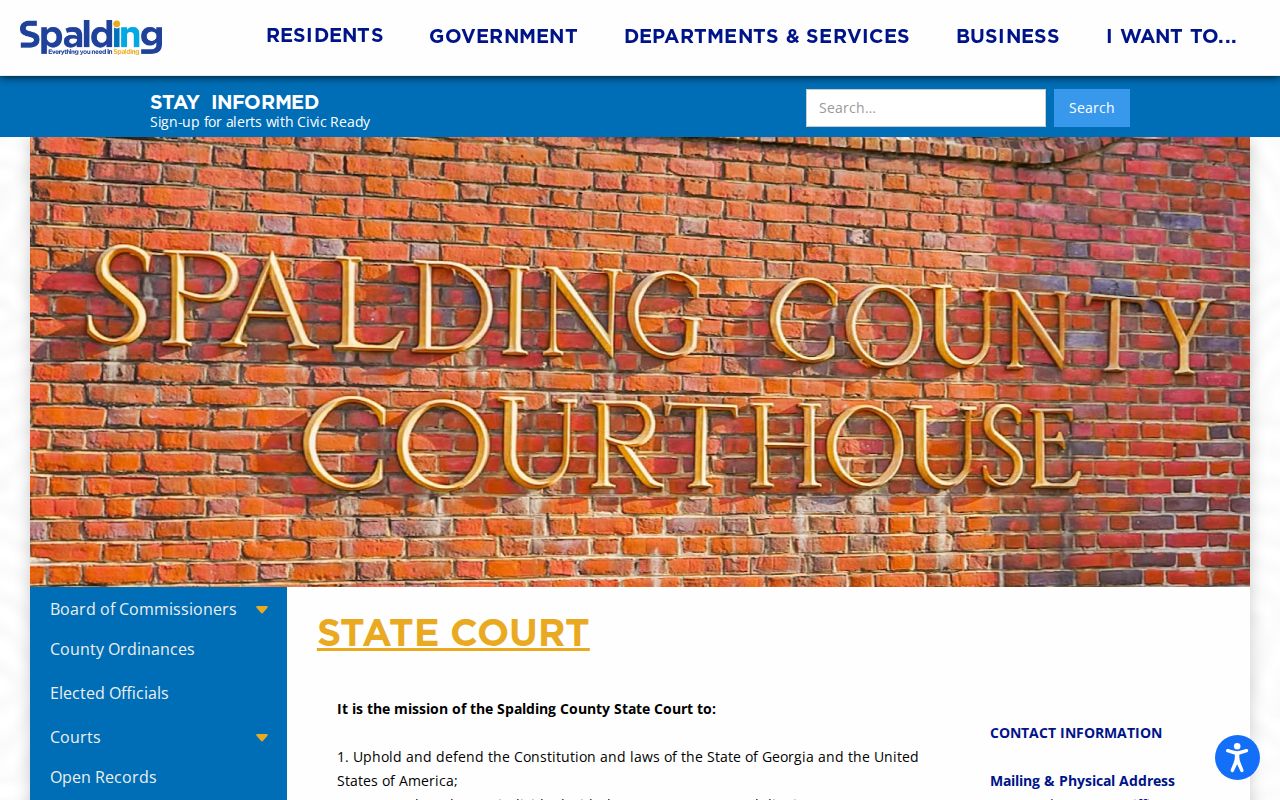
The screen is a gateway, so the provider and clerk still control account access, images, and copies.
Search Spalding County Case Records
Georgia Courts E-Access is an official directory to participating provider systems, not one free statewide docket. Spalding Superior and State Courts are listed, and the provider requires an account. Exact interface fields can change, so use the documented search concepts below and read the provider's current labels.
- Identify the likely court from the charge level, citation, warrant, or agency paperwork.
- Open the Spalding listing through Georgia E-Access or the county State Court link and create the required provider account.
- Search an exact case number first. For a name search, use the full legal name and narrow the filing period.
- Compare court, filing or arrest date, charge, and counsel across possible matches. Do not rely on a name or birth date alone.
- Read every count and docket entry, then contact the clerk for missing images, archived material, or a certified copy.
| Search field | Use | Required | Notes |
|---|---|---|---|
| Case number | Text | Best when known | Most precise route to one file |
| Last name | Text | For party search | Use the legal spelling |
| First name | Text | Often optional | Helps split common surnames |
| Filing year or range | Date filter | Optional | Narrows similar names |
| Case type or court | Filter | Optional | Separate felony, misdemeanor, and traffic files |
The Georgia judicial data and records page explains the broader state access layer.
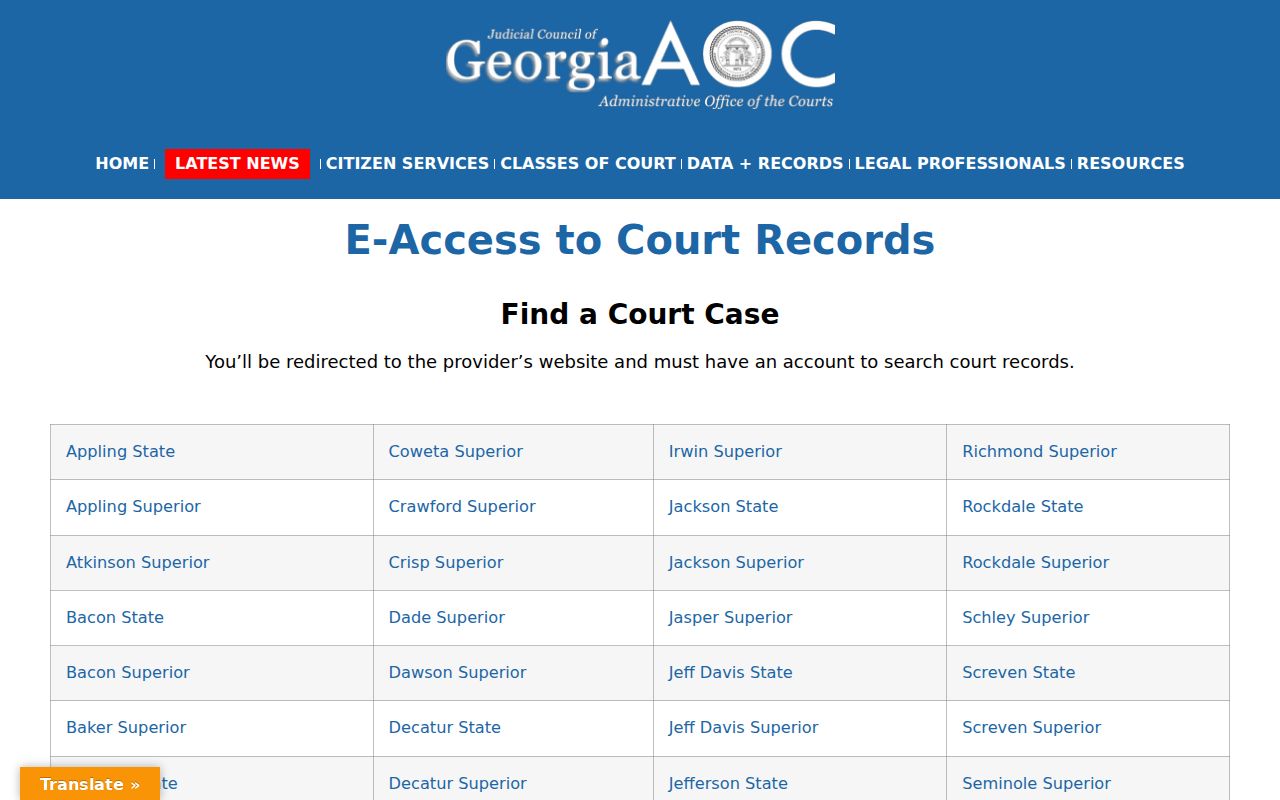
Because the directory points outward, a missing result should lead back to the Spalding County clerk rather than end the search.
Spalding County Criminal Desk
Spalding County publishes unusually clear division contacts. Denise Phillips handles Superior Court criminal matters, and Carly Evans handles State Court criminal matters. Both are listed at 770-467-4745. That split matters when a portal result lacks a document or when an older file may be archived. State the court, case number, party name, and approximate year before asking about copy format, certification, delivery, identification, or cost.
Clerk of State and Superior Court
132 East Solomon Street
Griffin, GA 30223
770-467-4309
Monday-Friday, 8:00 a.m.-5:00 p.m.
The clerk page is the source for these contacts and is also the right place to confirm current office details.
A clerk response can settle whether a blank provider screen reflects a sealed file, an archive, a spelling issue, or the wrong court.
Spalding County Case File Fields
A criminal docket is not one verdict line. It joins the charging document, events, rulings, and outcome for each count. An accusation is a prosecutor-filed charging document often used for misdemeanors and some felonies. An indictment is a grand jury's true bill. A disposition is the result of a charge, which may be conviction, dismissal, acquittal, nolle prosequi, or another lawful outcome.
| Case number and court | Identifies the file and the court with custody of it. |
|---|---|
| Charging document | Shows an accusation, indictment, citation, or other filed charge. |
| Docket entries | List filings, hearings, orders, motions, and calendar events. |
| Parties and counsel | Name the prosecuted party, prosecutor, and counsel when shown. |
| Disposition and judgment | Give the result for each count, not merely the overall case status. |
| Sentence and conditions | Record custody, probation, restitution, costs, or other court orders. |
Sensitive identifiers can be redacted, and sealed or restricted material may not appear online. A docket also differs from the statewide rap sheet maintained by GCIC. The court file is the stronger source for what the court actually filed and decided.
Read Every Spalding County Count
“Disposed” does not always mean “convicted.” It generally signals that the court has resolved or closed an item, but each count needs its own result. One count may end in a plea while another is dismissed. A nolle prosequi means the prosecutor formally declined to continue that charge under court procedure. An acquittal is a not-guilty result after trial. A dead docket suspends active prosecution and does not necessarily dismiss the charge.
- Arraignment
- The hearing where charges are presented and a plea is taken.
- Disposition
- The final recorded result for a specific charge or count.
- First Offender
- A Georgia statutory treatment that may avoid an adjudication of guilt after successful completion, when legally available.
- Sentence
- The court's punishment or order following a conviction.
Compare the disposition date and wording with the judgment or sentencing entry. If GCIC lacks the outcome, a certified clerk disposition may help correct the statewide arrest cycle. Note: A case caption is only a label and cannot substitute for the result entered on each count.
Spalding County Criminal Case Stages
A case can start with a warrant or lawful warrantless arrest. Magistrate proceedings may address the accusation, rights, counsel, probable cause, and bond. The prosecutor then chooses the filed charges. A felony may proceed through grand jury indictment, while an accusation commonly begins a misdemeanor prosecution. Discovery, motions, and calendars follow arraignment.
Case flow: Charges Filed › Arraignment › Pretrial › Plea or Trial › Disposition › Sentencing
The final charge can differ from the booking charge. Later appeals, probation revocations, or enforcement orders may add docket entries after the first sentence. For the arrest and custody side of that sequence, the county's official-channel arrest search explanation separates booking records from court outcomes.
Spalding County Misdemeanor Pipeline
The Spalding County Solicitor General prosecutes State Court misdemeanor cases. Its official page explains that matters can arrive from the Sheriff, Griffin Police, Georgia State Patrol, Magistrate warrants, District Attorney transfers, and Griffin Municipal Court transfers. That list shows why an agency search alone may fail to reveal the current court file.
The office also describes pretrial diversion. A diversion entry should be read with later docket events instead of treated as a conviction or automatic erasure. Completion, dismissal, restriction, and sealing are distinct legal events. The clerk docket supplies the filed result.
The prosecutor page explains the charging pipeline, while the clerk remains the custodian of the court record.
Griffin Citation Intake Delay
Griffin Municipal Court advises allowing three to five business days after a citation before calling because the clerk must first receive and process it. A search made too soon may therefore show nothing even though the citation exists. Court sessions include first and third Tuesdays and Thursdays, with separate published schedules for arraignments, trials, environmental matters, school-zone camera matters, and nuisance abatement.
The court is at 100 South Hill Street in One Griffin Center. Entrants are searched. Weapons, knives, chemical agents, lighters, large bags, food, and drinks are barred. Devices must be off, and recording needs advance judicial approval and paperwork. These are access conditions, not proof about any case.
A municipal matter transferred to State Court should be searched under its new county court file. Note: Griffin states that court-date changes are not granted during the week of court or for financial reasons.
Spalding County Case Access Limits
The Georgia Open Records Act generally favors access to agency records unless an exemption applies, but court access also follows judicial rules and court orders. Juvenile matters, sealed files, victim or minor identifiers, Social Security numbers, and some active-investigation details may be withheld or redacted. An online account does not override those limits.
Access point: O.C.G.A. §§ 50-18-70 and 50-18-71 govern agency-record requests, while court/provider rules control electronic docket access.
If a provider omits an image, contact the clerk. Ask whether the document is public, archived, sealed, or available only by copy request. Do not infer innocence, guilt, or record restriction from an empty search result. Name-only matches can also join the wrong person to a case.
Federal cases sit outside the county system. The PACER system holds federal dockets, including cases in the Northern District of Georgia.
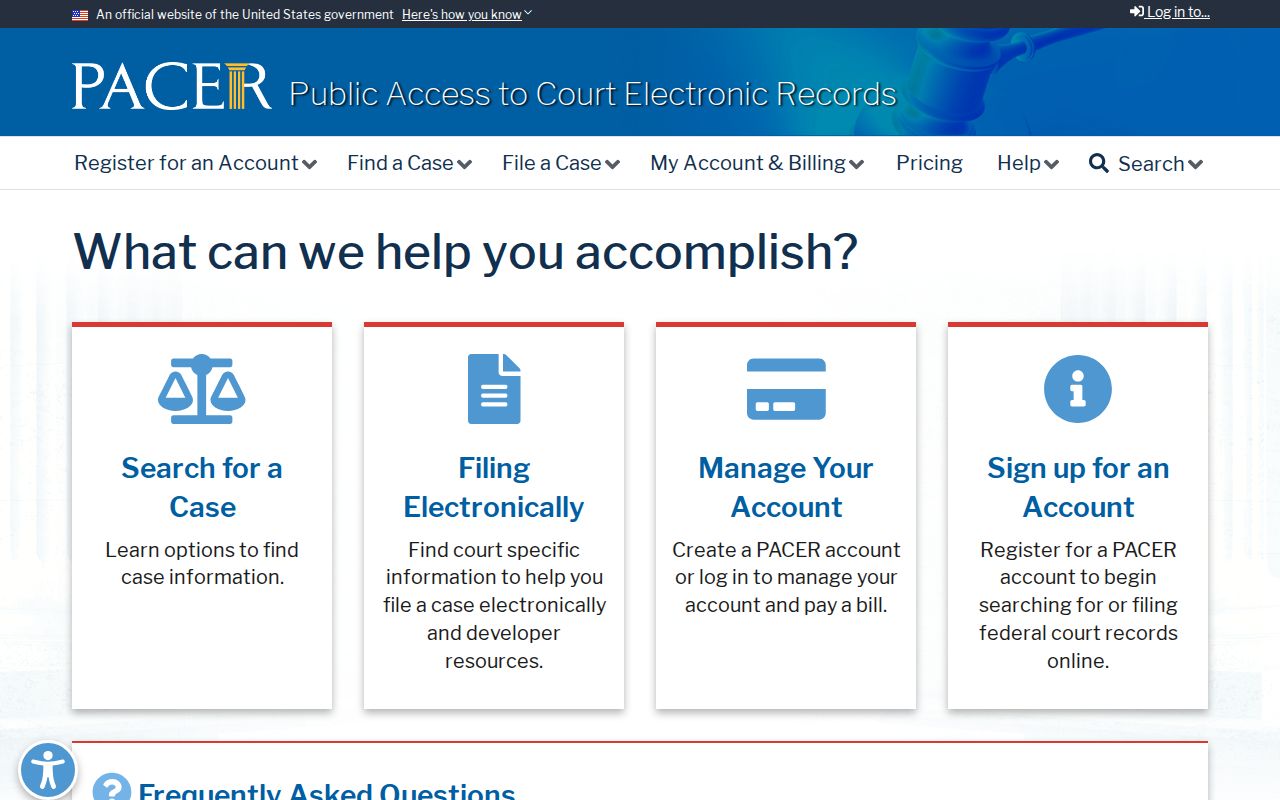
PACER requires registration and uses federal court access rules, so its records should not be mixed with Spalding County dockets.
The state's judicial records gateway offers more context on public access.
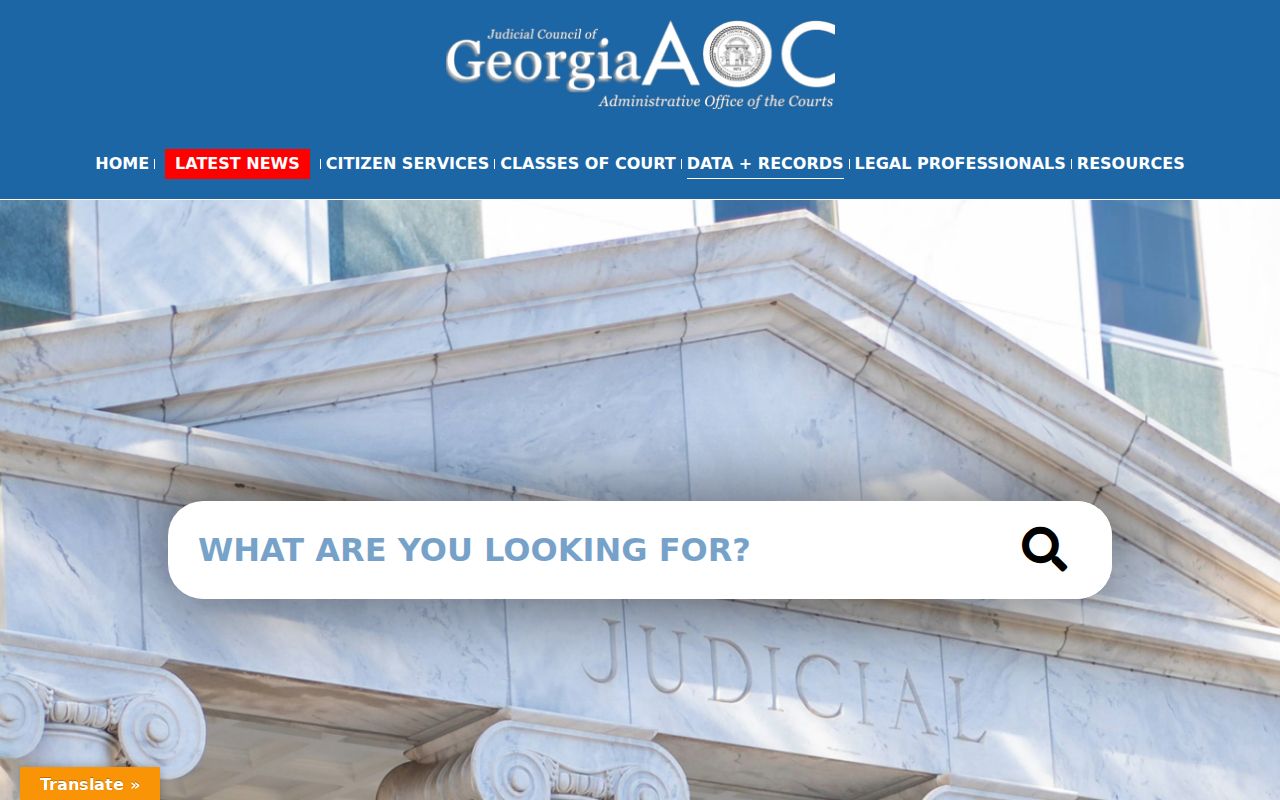
It complements the local clerk channel but does not replace the originating court file.